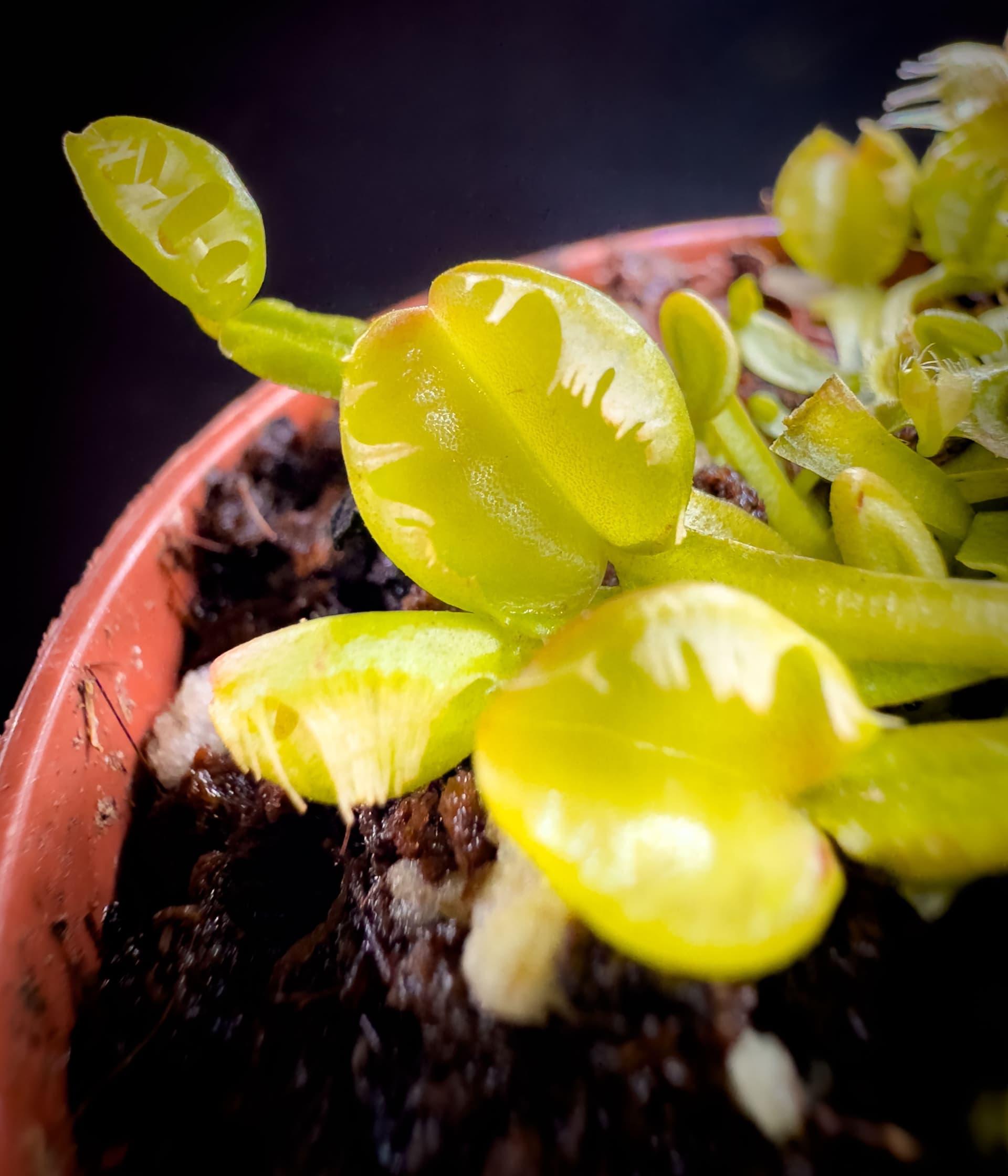
Dionaea MuscipulaPrypiat
0.0 / 5 – 0 votes
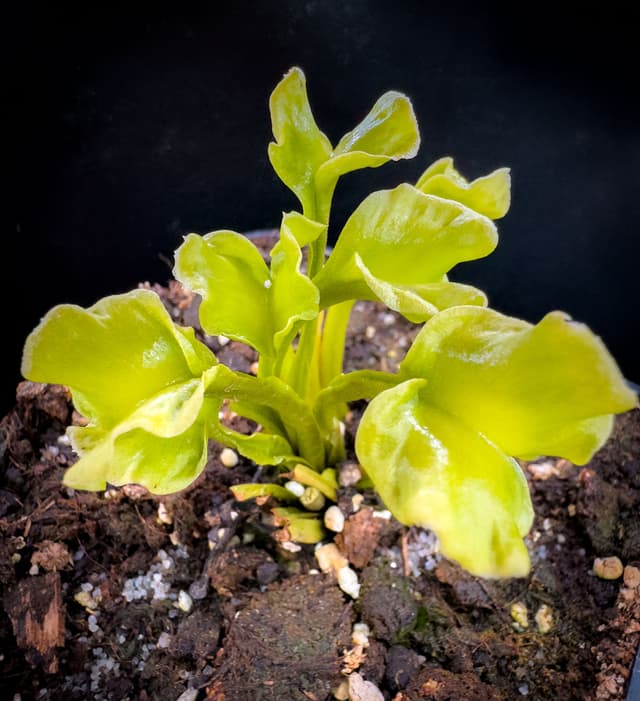
Dionaea Muscipula Prypiat is a unique cultivar that arose from a mutation of the Moon Trap variety, retaining its core traits. It features open, “bellied” traps and a subtle tendency toward orange pigmentation. What truly sets it apart are its irregular, asymmetrical traps and “hyper-fused” teeth, giving the plant a strikingly unusual appearance. Its name, Prypiat, references the abandoned city near Chernobyl’s Reactor 4, reflecting the cultivar’s anomalous and extraordinary morphology.
Venus Flytraps (Dionaea Muscipula) are striking carnivorous plants known for their jaw-like traps that snap shut on prey. Easy to grow and fun to watch, they're a must-have for both beginners and seasoned plant lovers.
Estimated delivery: 1–2 daysDelivery times are estimated and may vary. Typical delivery is 1–2 business days within Czech Republic.
Teeth Type
fused
Trap Size
small
Growth Habit
seasonal
Coloration
green, yellow, orange
Trap Shape
deformed, wide open
You May Also Like These Flytraps
Discover Dionaea Muscipula cultivars with similar traps, favoured by enthusiasts everywhere.
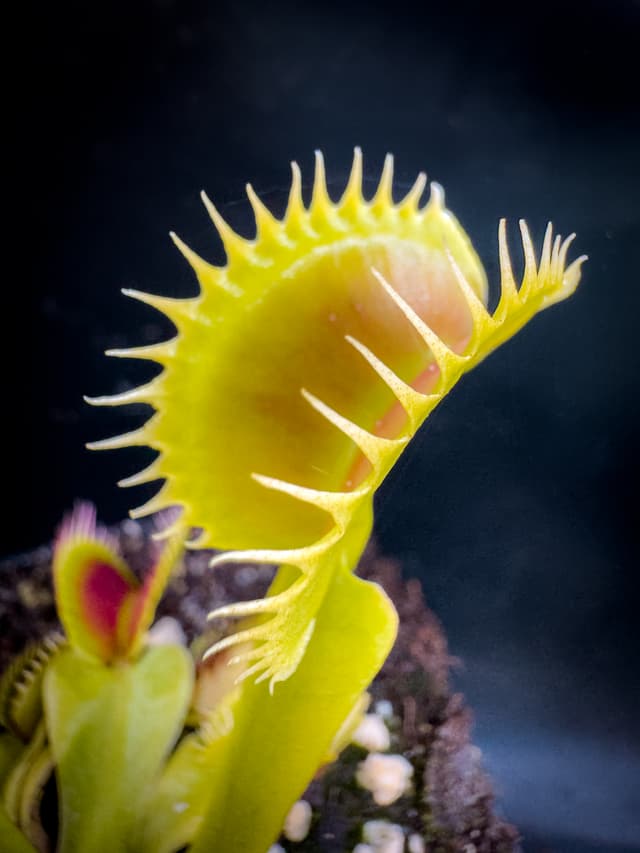
Dionaea MuscipulaBear Trap
Available in size:
Price:
Quantity:
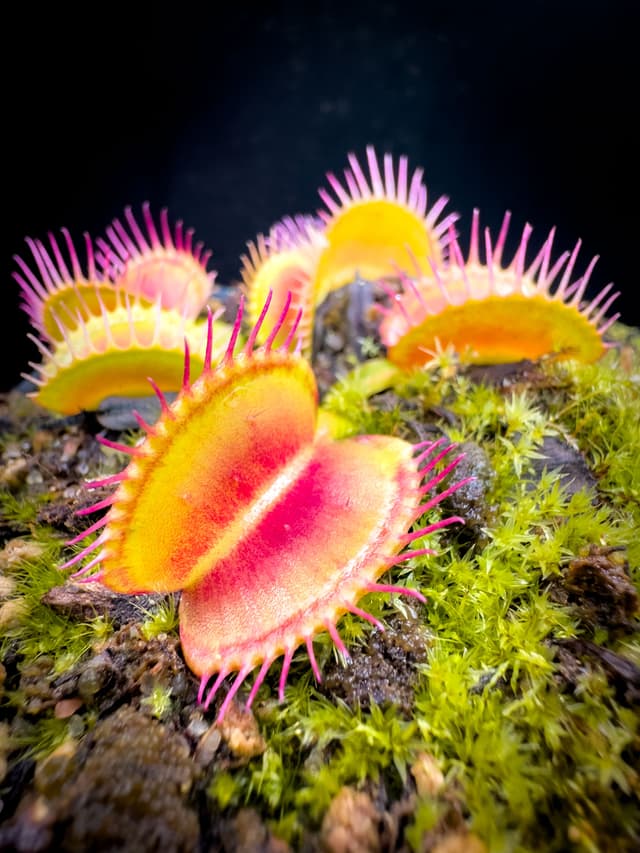
Dionaea MuscipulaBurbank's Best
Available in size:
Price:
Quantity:
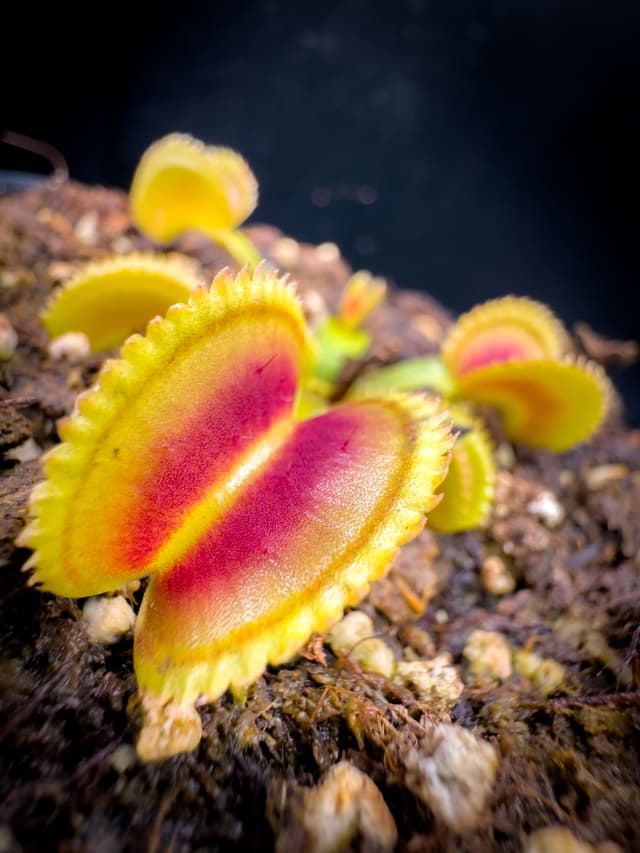
Dionaea MuscipulaFTS Shogun Star
Available in size:
Price:
Quantity:
Dionaea MuscipulaGJ Butterfly
Available in size:
Price:
Quantity:
Tips for a Healthy Venus Flytrap
Discover practical care tips to help your Venus flytrap grow strong and vibrant.
Sunlight Needs
Venus flytraps thrive in bright light — too little sun weakens them, while too much shade can harm their growth. Learn how to provide the right lighting indoors or outdoors for optimal health.
Watering Tips
These plants are sensitive to minerals in tap water. Use rainwater, distilled, or reverse osmosis water to keep roots healthy and prevent rot throughout the year.
Soil
Venus flytraps need nutrient-poor, airy soil — never regular potting mix. Discover suitable soil blends, pot types, and repotting methods for strong, healthy growth.
Humidity
Extreme humidity isn’t necessary. Focus on proper watering and good airflow to maintain mold-free, vigorous plants.
Dormancy
During dormancy, your flytrap rests to regrow stronger in spring. Learn how to care for it, prevent rot, and support a healthy revival.
Flowering
In spring, flytraps may produce tall flower stalks, which consume significant energy. Find out when to allow flowering, when to trim, and how to propagate new plants from the stalk.
Shipping Your Venus Flytraps Safely
Each Venus flytrap is carefully prepared and sent from my greenhouse to your door.
Gentle Plant Handling
Every plant is carefully removed from its soil or moss and rinsed to remove excess dirt. I trim any damaged leaves and make sure the roots are clean and healthy before shipping.
Moisture Protection
After cleaning, your Venus flytrap is wrapped in a damp, soft wipe to keep the roots hydrated and protected during transit.
Individual Bagging
Each plant goes into a clear ZIP bag labeled with its cultivar name. This keeps it safe and ensures correct identification.
Secure Outer Packaging
Plants are placed in sturdy cardboard boxes with cushioning to prevent movement and damage during shipping.
Fast, Trackable Delivery
I use quick shipping with full tracking so your Venus flytrap arrives healthy and ready to thrive in your care.
Things to Know Before You Buy
Explore answers to common questions about selecting, ordering, and caring for your Venus flytrap.