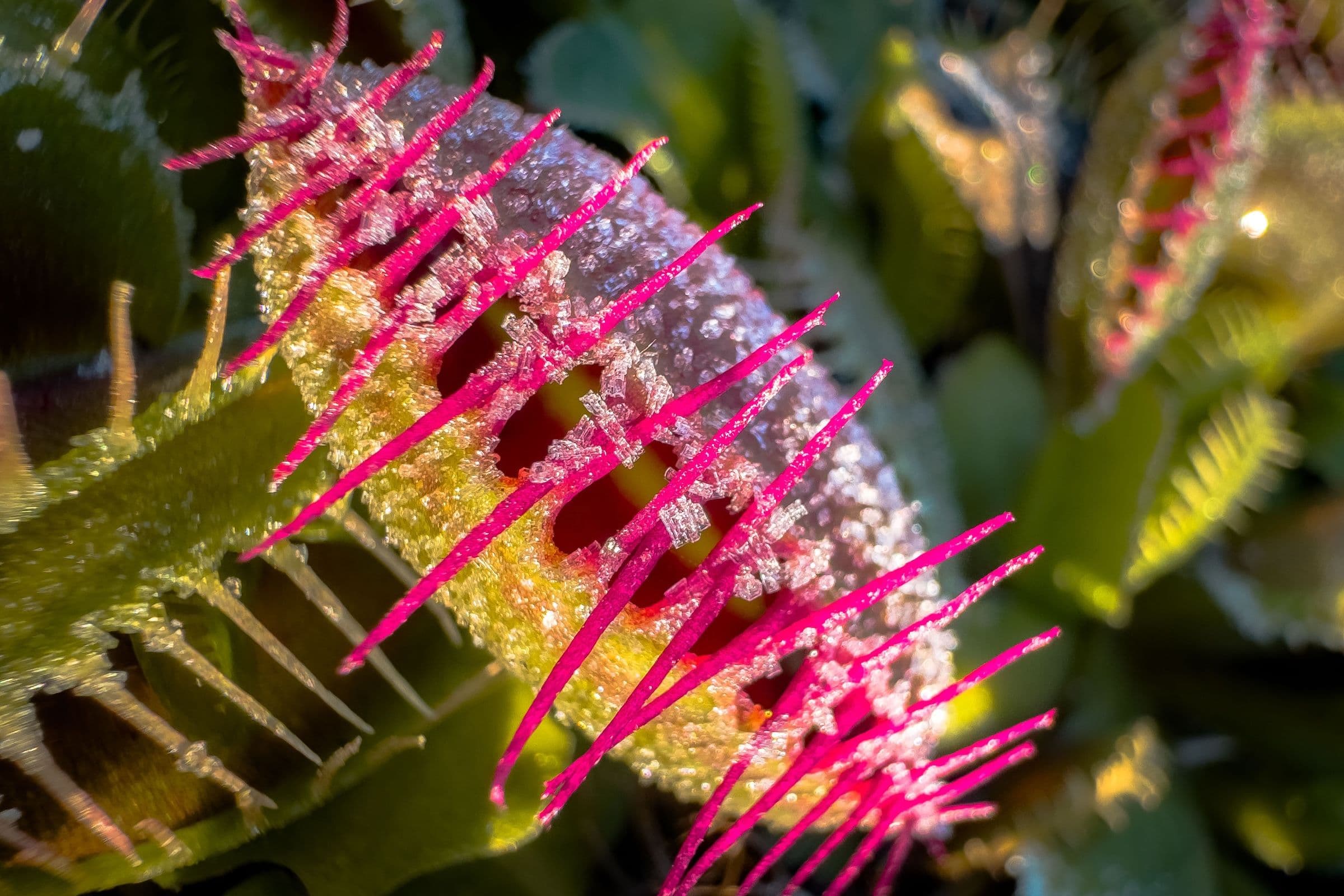
Every December, when everything in the greenhouse starts looking brown, sleepy, and slightly tragic, I feel that familiar mix of fear and excitement. Venus flytraps don’t look cute in winter — they shrink, darken, and completely shut down. And that’s exactly why December is the one month when I avoid disturbing them at all costs. Dormancy is like deep sleep, and repotting during that time feels like shaking someone awake at 3 a.m. and asking them to sprint a kilometre.
Because they’re not actively growing, they can’t heal damaged roots or fight off rot. So for me, winter repotting is a “don’t touch” situation… unless something has gone wrong.
Why Winter Is Usually the Worst Time to Repot
During winter, flytraps slow down everything — root growth, recovery, metabolism, even their ability to defend themselves. If you damage roots in December or January, the plant doesn’t have that strength to repair them. I always wait until late winter or early spring, when they’re waking up and have the energy to settle into fresh soil. Basically when I see the first growth, that's the right signal for me.
When You Should Avoid Repotting
If the plant is healthy, asleep, and sitting in normal, clean soil, leave it alone. Repotting “just for fun” or because the pot doesn’t look Instagram-perfect is the fastest way to stress a dormant plant. If your greenhouse occasionally dips near freezing, the risk is even higher. Beautiful dormancy is boring — but it’s safe.
When Winter Repotting Is Actually the Right Move
And here’s the twist: sometimes you really should repot in winter, because delaying would do more harm than good.
If you suspect rhizome rot, for example, you need to act immediately. A mushy, brown, or foul-smelling rhizome will not wait until spring — it will collapse. The same goes for sour soil that has rotted into sludge or started smelling strange. Old peat can turn toxic, and if it does, the plant won’t survive until March.
Winter repotting is also necessary when pests show up, especially root aphids. Dormancy doesn’t magically stop them. If you find them, unpot the plant, clean everything, and start fresh. And finally, sometimes overgrown clumps hide rot inside the center. If you unpot a plant for an emergency and discover this, separating the divisions can actually save them.
Dividing Rhizomes: Yes or No?
Dividing in winter should never be your goal. Only do it if you were already forced to unpot the plant because of rot or a pest problem. If everything looks healthy, wait until spring, when the divisions recover much faster and grow with more confidence.
How to Handle a Winter Repot If You Truly Have No Choice
If you must repot, think of it as delicate surgery. Be gentle. Keep the roots moist at all times. Don’t break away every crumb of old soil — the less disturbance, the better. Remove only dead tissue, plant into fresh peat/perlite, and keep the plant slightly drier for the next week or two. Give it protection from frost and allow it to adjust slowly. Winter repotting isn’t about perfection — it’s about damage control.
The Best Timing? Late Winter and Early Spring
This is the sweet spot. The plant is still resting, but starting to wake up — the exact moment when it can settle into its new pot and burst into life as the season changes. If you can wait, this is when you should do it.
Final Thoughts
Winter repotting isn’t forbidden, but it is misunderstood. It’s safe only in emergencies, and risky when everything is fine. Knowing the difference is part of becoming a more confident grower. Trust your plants, trust the dormancy, and only intervene when something is truly wrong.
Stay snappy 🌱
— Peter